Numismatics Catalog
Tyrian Silver Shekel
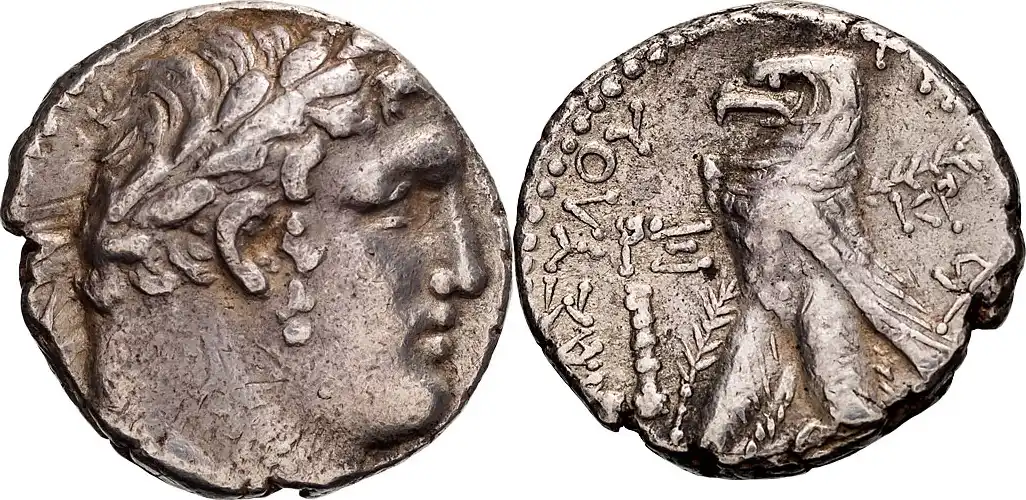
This silver Tyrian shekel is one of the most iconic and historically significant coins of the Hellenistic Near East. The obverse depicts a right-facing portrait of Melqart, the Phoenician god of Tyre, assimilated by the Greeks with Heracles, shown wearing a laurel wreath. The reverse features a powerful eagle standing on a ship’s prow, accompanied by Phoenician and Greek inscriptions indicating Tyre as the minting city. Renowned for its exceptionally high silver purity, the Tyrian shekel was widely trusted and used in major commercial and religious transactions, including payments associated with the Jerusalem Temple. The coin reflects the fusion of Phoenician religious identity, Hellenistic iconography, and ancient Mediterranean trade networks.
read article Ancient Civilizations & AntiquitySaint Helena Roman Coin
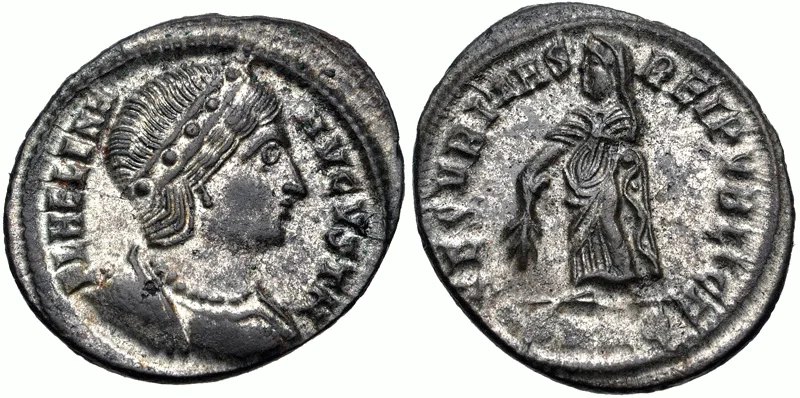
This ancient Roman silver coin features a left-facing portrait of Saint Helena, mother of Emperor Constantine the Great, one of the most influential women of Late Antiquity. She is depicted wearing imperial dress and a diadem, emphasizing her elevated status within the Constantinian dynasty. The reverse shows Helena standing in a dignified pose, often associated with symbols of piety and stability, reflecting her historical role in promoting Christianity across the Roman Empire. Struck during a period of profound religious and political transformation, the coin represents the intersection of imperial power, early Christian history, and Roman monetary tradition.
read article Ancient Civilizations & AntiquityPontius Pilate Bronze Prutah
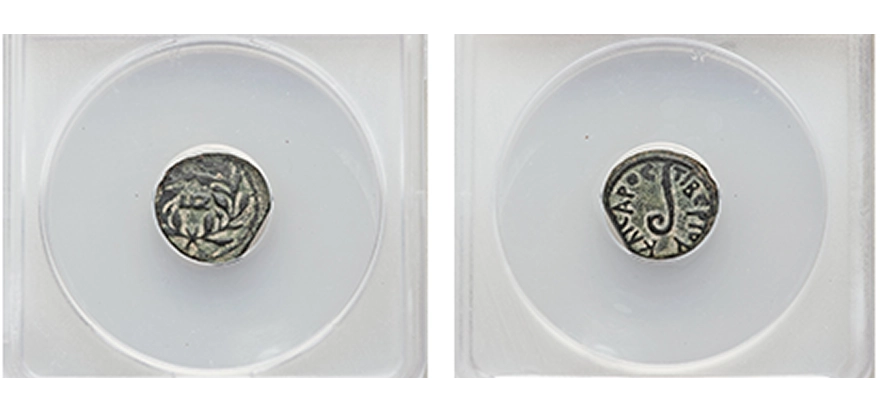
This bronze prutah issued under Pontius Pilate, Roman prefect of Judea, represents the complex intersection of Roman imperial authority and local religious sensitivities in the early 1st century AD. The coin features symbolic motifs such as the lituus (a Roman augural staff) or simpulum, reflecting Roman administrative and religious power rather than portraiture, which was avoided to respect Jewish aniconic traditions. Struck during the period traditionally associated with the trial of Jesus of Nazareth, this modest coin holds exceptional historical significance, serving as a tangible artifact of Roman provincial governance, early Judaean society, and the political landscape of the biblical era.
read article Ancient Civilizations & AntiquityPhilip II of Macedon Gold Stater
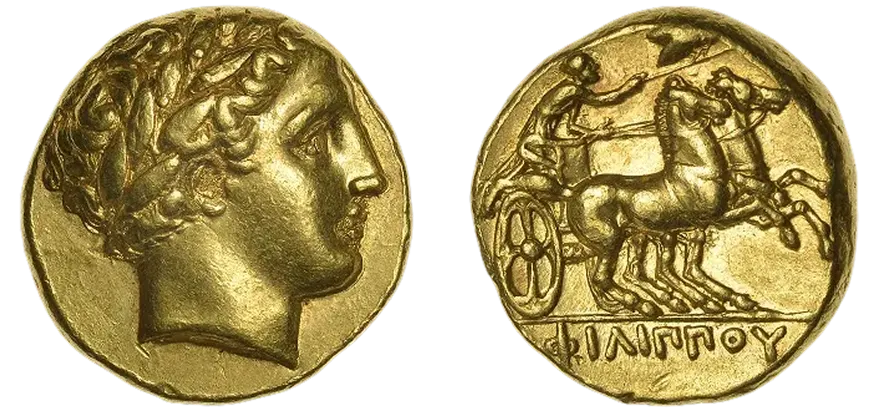
This gold stater of Philip II of Macedon is a masterwork of Classical Greek numismatics and political symbolism. The obverse features a realistic profile portrait of Philip II, emphasizing authority, legitimacy, and divine favor in the Hellenic tradition. The reverse depicts a chariot (biga) drawn by horses, symbolizing victory, royal power, and athletic excellence—likely referencing Philip’s success at the Olympic Games. Executed in high-relief gold, the coin reflects the sophistication of ancient minting techniques and the role of coinage as both currency and propaganda. It stands as a powerful artifact of ancient statecraft, military dominance, and early portraiture in Western civilization.
read article Ancient Civilizations & AntiquityNorman Conquest Medieval Silver Coin
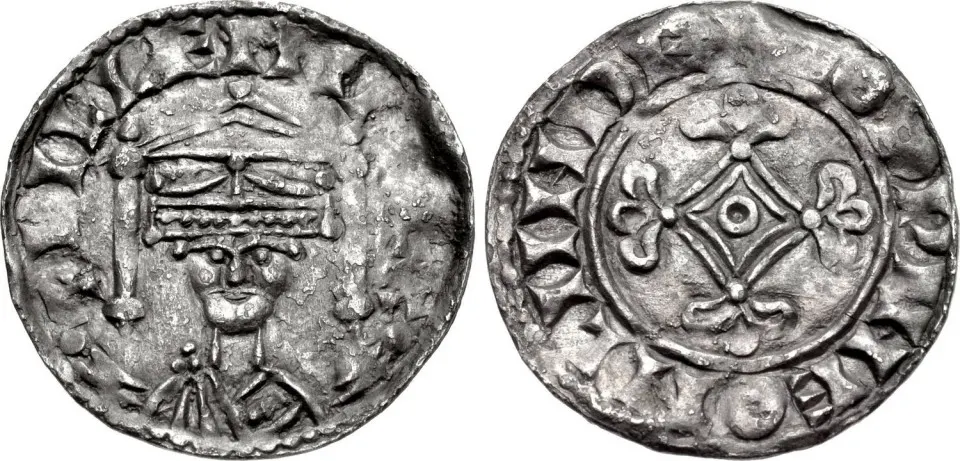
 England
This medieval silver coin from the Norman Conquest period reflects the dramatic political and cultural transformation of England following William the Conqueror’s invasion in 1066. The obverse features a highly stylized frontal portrait of a crowned ruler, rendered in a schematic, almost symbolic manner typical of early medieval numismatic art, where authority was conveyed through iconography rather than realism. The reverse displays a geometric cross-and-ornament motif, emphasizing order, legitimacy, and Christian power. Irregular flan shape and uneven striking highlight early minting techniques, reinforcing the coin’s role as both a monetary instrument and a historical artifact of conquest, governance, and state formation.
read article Ancient Civilizations & AntiquityAncient Lydia Electrum Stater
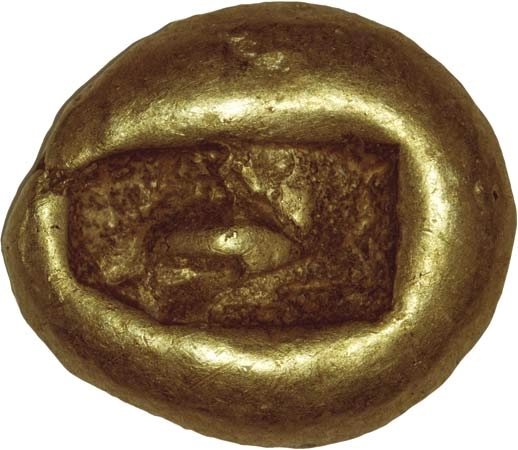
This early Lydian electrum stater is considered one of the earliest coins in human history. Struck from naturally occurring electrum (a gold–silver alloy), the coin features a simple yet powerful incuse punch on the reverse, reflecting the functional origins of coinage rather than decorative intent. Its irregular shape and raw surface emphasize the transition from weighed metal to standardized currency, marking a foundational moment in economic systems, trade, and state authority in the ancient world.
read article Ancient Civilizations & AntiquityByzantine Empire Justinian I Bronze Follis
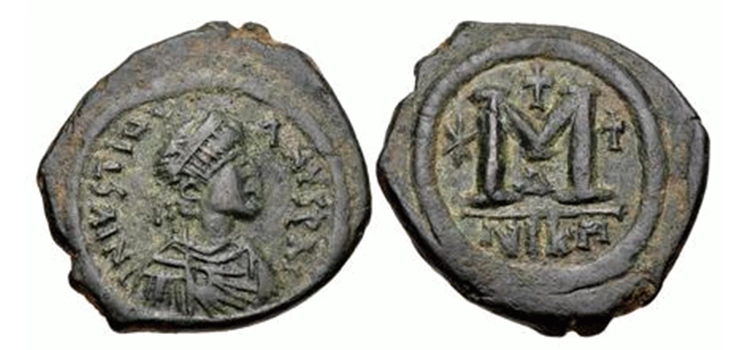
This bronze coin was issued during the reign of Justinian I, one of the most influential rulers of the Byzantine Empire. The obverse features a stylized imperial portrait, emphasizing authority rather than individual realism, characteristic of late Roman and early Byzantine coinage. The reverse prominently displays the large letter “M”, denoting the coin’s value of 40 nummi (follis), along with a cross and mint marks, symbolizing the integration of Christianity into state power. The coin reflects major monetary reforms and the administrative consolidation of the empire under Justinian’s rule.
read article Ancient Civilizations & AntiquityByzantine Empire Justinian II Gold Solidus
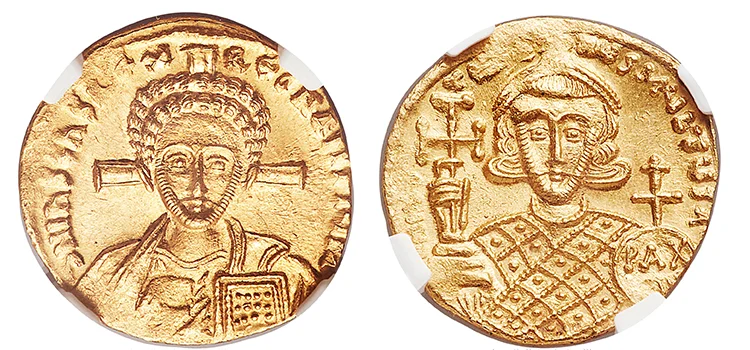
This gold solidus was issued during the reign of Justinian II and is one of the most historically significant coins of the Byzantine era. The obverse famously depicts Christ Pantocrator, marking the first time a living religious figure appeared on an imperial gold coin, a radical departure from earlier Roman traditions. The reverse shows Emperor Justinian II holding a cross potent, emphasizing divine authority and the fusion of church and state. The coin represents a pivotal moment in numismatic, religious, and political history, reflecting Byzantium’s transformation into a distinctly Christian empire.
read article Ancient Civilizations & Antiquity5 Dollars Scarab Beetle “Red Dawn” Silver Coin
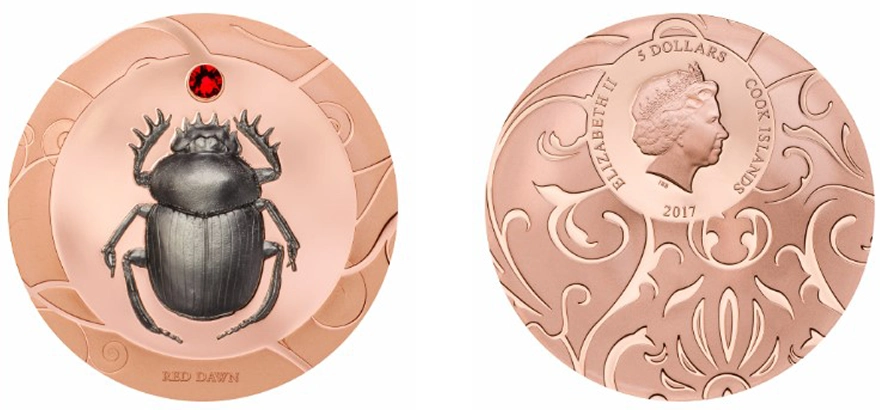
 Cook Islands
This commemorative silver coin issued for the Cook Islands features a scarab beetle, an important symbol in ancient Egyptian culture representing rebirth, renewal, and protection. The scarab is depicted in high relief and enhanced with a dark finish, set against a copper-toned background with a red gemstone insert above the beetle, titled “Red Dawn.” The reverse bears the effigy of Queen Elizabeth II and the denomination of five dollars. The coin combines ancient symbolism with modern minting techniques and decorative elements, making it a distinctive contemporary collectible.
read article Ancient Civilizations & AntiquityGold of the Pharaohs: Tutankhamun
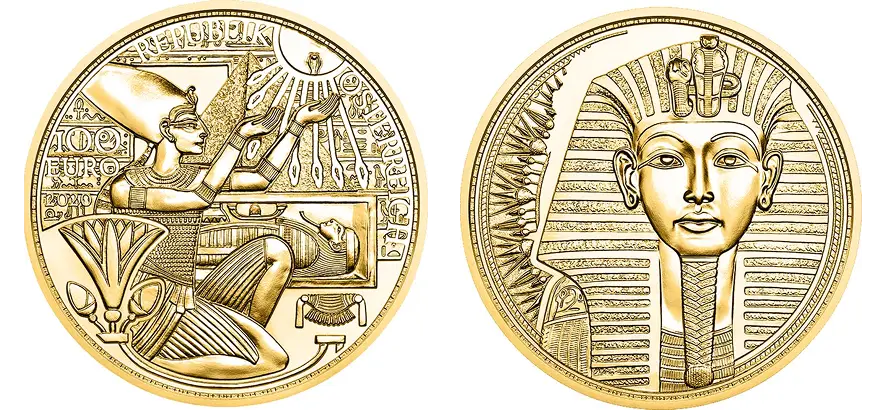
 France
This gold commemorative coin issued by France belongs to the Gold of the Pharaohs series and is dedicated to Tutankhamun, one of the most iconic rulers of Ancient Egypt. The reverse presents a detailed frontal depiction of Tutankhamun wearing the royal nemes headdress with the uraeus cobra, symbolizing divine authority and kingship. The obverse illustrates a richly symbolic Egyptian scene combining hieroglyphs, ritual elements, solar imagery, and stylized figures, evoking the religious and cosmological beliefs of ancient Egypt. Struck in gold, the coin highlights the artistic legacy, spiritual depth, and enduring fascination with pharaonic civilization.
read article Ancient Civilizations & Antiquity